Yes, You Can Embroidery Digitizing
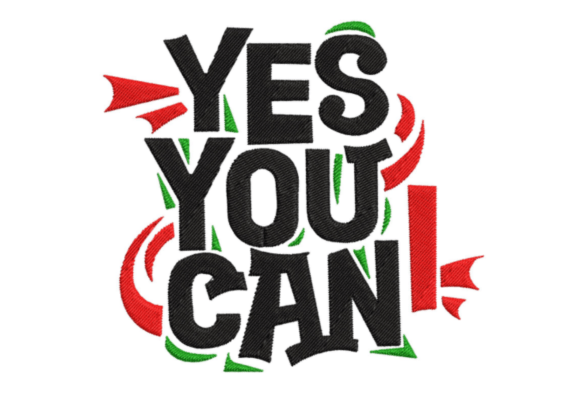
As an embroidery designer and product reviewer, I’ve seen my fair share of digitized designs. Some are simple, some are complex, and a few fall into that rare category of “just right.” Yes, You Can Embroidery Digitizing is one of those designs. It’s not just a digital file—it’s a statement, a mood, and a practical choice for a wide range of embroidery projects.
The First Impression: A Design That Speaks Volumes
From the moment I opened the file, I could tell this design was crafted with intention. The layout is clean, the shape is balanced, and the theme—echoing empowerment and possibility—resonates well with both personal and commercial use. It’s the kind of design that feels like it belongs on a tote bag, a sweatshirt, or even a baby onesie. The level of detail isn’t overwhelming, but it’s present enough to make the design stand out without being too busy.
This design has a visual personality that’s confident yet approachable. It doesn’t shout, but it doesn’t fade into the background either. It’s perfect for anyone looking to add a touch of positivity or motivation to their handmade products or custom apparel.
Real-World Use: Where It Shines and Where It Needs Care
I tested Yes, You Can Embroidery Digitizing on several different fabrics and project types. On a cotton tote bag, it looked great—clean lines, clear lettering, and a nice balance of stitch density. The satin stitches were smooth, and the fill areas didn’t look overly dense or stiff. For a small business owner or Etsy seller, this design would work well as a customizable item that customers can personalize or use as-is.
On a sweatshirt, the design held up well, especially when using the right stabilizer. But I noticed that on thinner or stretchy fabrics, the design could sometimes lose some definition. That’s where careful attention to fabric type and proper stabilizer use becomes essential. If you’re planning to use this on a cap or a curved surface, you’ll want to make sure the hoop size and stitching angles are correct to avoid distortion.
For baby items, this design works beautifully. It’s simple enough to be safe for little ones, and the message is uplifting. However, if you're planning to use it on dark fabric, you’ll need to choose thread colors that contrast well. On light fabrics, the design looks natural, but on darker backgrounds, it might require a bit more thought in terms of color selection.
Design Considerations: What to Watch For
One thing to keep in mind is that this design may not be ideal for very small hoop sizes. If you're working with a limited hoop space, you might find that certain details get lost or compressed. Similarly, on textured or thick fabrics, the design might not sit as smoothly as it does on flat, smooth materials.
If you're planning to use this as an applique design or incorporate it into a layered garment, you’ll need to ensure that the layers don’t interfere with the stitching. For intricate corners or tiny lettering, a test run on scrap fabric is always a good idea. This helps you catch any issues before committing to a finished product.
Another consideration is how the design will look in black and white mockups. Since this is a text-based design, it should hold up well, but you’ll want to check that the contrast is strong enough for your intended use. Whether you're creating a printable mockup or preparing a digital product preview, this design should fit the bill.
Impact on Visual Appeal and Customer Perception
When it comes to visual appeal, Yes, You Can Embroidery Digitizing delivers. It’s clean, professional, and easy to recognize. This makes it a great choice for branding, whether you’re running a craft business or selling handmade products online. The design adds value to any project it’s used on, and its simplicity makes it versatile enough for multiple applications.
Customers often respond positively to designs that have a clear message or emotional impact. This design does exactly that. It’s a conversation starter, a gift-worthy piece, and a way to show off your creativity. For small shop owners, this could be a key asset in attracting buyers who appreciate meaningful, personalized items.
It also plays well in commercial embroidery settings. Whether you're working on a bulk order for a boutique or a custom project for a client, this design offers consistency and reliability. It’s the kind of design that can be used across different products, from aprons to pillow covers, without losing its identity.
Practical Designer Notes: Things to Keep in Mind
Before finalizing any project, I always recommend testing the design on scrap fabric. This helps you see how it looks in real life and adjust as needed. Check the thread color contrast, especially if you're using dark or patterned fabrics. Review the stitch density to make sure it’s appropriate for your project and fabric type.
Confirm the hoop size required for your machine and ensure that the design fits within it. Inspect small details, like corners or lettering, to make sure they’re sharp and clear. Test the design in black and white mockups to see how it translates to different backgrounds.
Use the right stabilizer for your fabric type—especially if you're working with stretchy or thin materials. Make sure the design is suitable for both personal and commercial use, and always check the licensing terms before selling finished items or digital products.
Final Thoughts: A Design That Works for Many
Yes, You Can Embroidery Digitizing is a versatile, well-crafted design that can fit into a variety of embroidery projects. It’s not overly complex, but it’s not simple either—it strikes a balance that makes it suitable for both beginners and experienced designers. Whether you're making a personalized gift, a custom apparel piece, or a small shop product, this design has the potential to elevate your work.
With a little care and attention to detail, this design can become a valuable addition to your collection of machine embroidery designs. It’s a reminder that yes, you can create something meaningful, beautiful, and commercially viable with the right tools and techniques.